
Addiction comes in many forms, but gambling addiction is often overlooked compared to substance-related dependencies like alcohol or drugs. Yet, for those who struggle with it, the consequences can be just as severe.
Is gambling the worst addiction? The answer isn’t straightforward, as the impact of gambling addiction is personal and can vary widely. While it might not cause the same physical health deterioration as drugs or alcohol, the emotional, social, and financial toll can be catastrophic.
If you or someone you know is grappling with gambling issues, it’s essential to understand how gambling disorder can affect lives and why seeking help is crucial. The Council on Compulsive Gambling of New Jersey, Inc. (800-GAMBLER) is here to offer gambling disorder help in NJ, providing confidential support for those ready to start their recovery journey.
Understanding Gambling Addiction
Gambling addiction is a behavioral condition where individuals cannot control their urge to gamble, even in the face of negative consequences. Unlike substance addictions, which typically involve physical dependence, gambling addiction is rooted in psychological triggers, such as the thrill of winning or the desperation of recovering losses.
The consequences may not always be immediately visible, but they are often just as destructive. A person with a gambling addiction might lose their job, experience broken relationships, and accumulate significant debt, all while continuing to chase the high that gambling provides.
What makes gambling particularly dangerous is its ability to hide in plain sight. Unlike alcohol or drug abuse, which often leads to noticeable physical symptoms, gambling addiction thrives in secrecy. The shame and stigma associated with gambling issues often prevent individuals from reaching out for help, keeping their struggle hidden until the consequences become overwhelming.
Comparing Gambling Addiction to Other Addictions
When comparing gambling addiction to other forms of addiction, there are distinct differences and similarities. Substance abuse, for example, has well-known and well-documented physical effects on the body. These physical manifestations are often visible, making it easier for individuals to identify when they or someone they care about has an addiction.
However, gambling addiction can be just as devastating, even without the physical symptoms. The psychological toll is immense, with individuals often feeling isolated, overwhelmed by shame, and unable to escape the cycle of loss.
Why Gambling Addiction Can Be So Destructive
The true damage caused by gambling addiction lies in its ability to destroy lives quietly and relentlessly. While other addictions might cause physical harm or have clear, immediate consequences, the impact of gambling is insidious.
The cycle of gambling addiction typically involves chasing losses, where individuals continue to gamble in an attempt to recover what they’ve already lost. This only leads to further loss, exacerbating the problem. Over time, this behavior can result in crushing debt, loss of savings, and even bankruptcy.
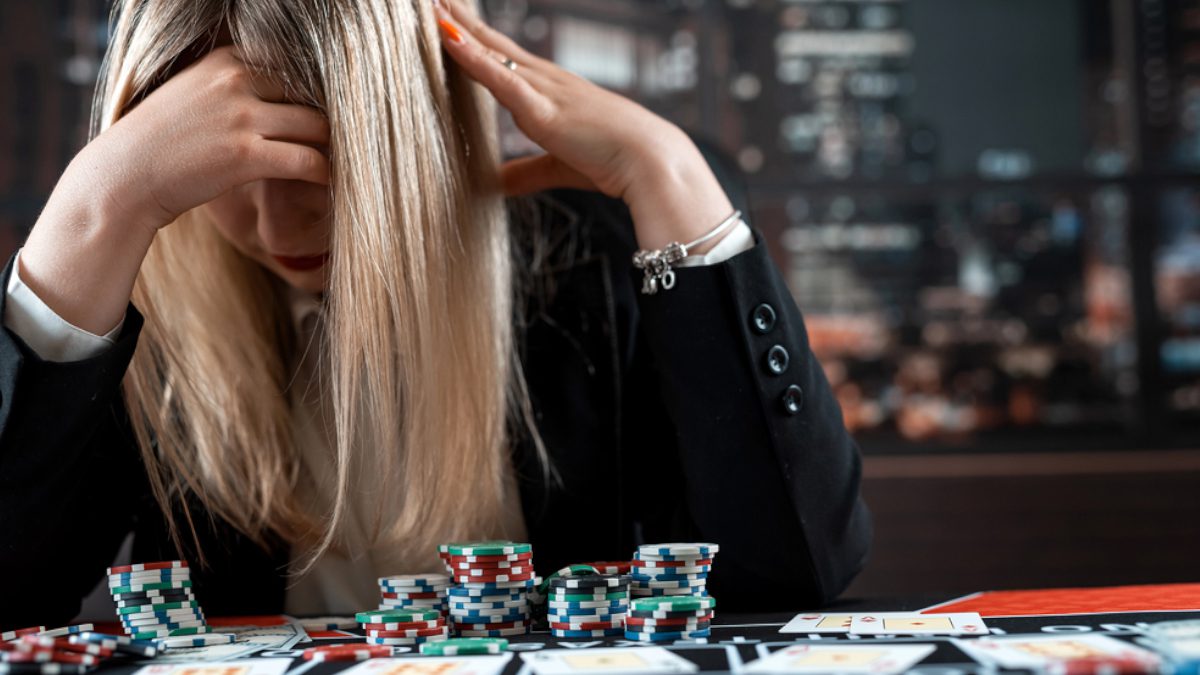
Emotionally, gambling addiction often leads to feelings of guilt, shame, and hopelessness. These feelings are compounded by the secrecy that surrounds the addiction, which can isolate individuals from their families, friends, and support systems. The stress of hiding their addiction often creates a vicious cycle, making it harder to break free.
How to Stop Gambling and Begin Recovery
Recognizing the need to stop gambling is the first step in breaking free from the cycle of addiction. While the path to recovery can be long and challenging, it is absolutely possible.
If you’re struggling with gambling addiction, it’s important to remember that seeking help is a sign of strength, not weakness. Therapy and counseling play crucial roles in the recovery process, helping individuals understand the triggers and emotions that fuel their addiction.
Our organization provides help for gambling addiction, offering confidential counseling services, support groups, and resources designed to guide individuals through recovery. Cognitive-behavioral therapy (CBT) is often used to address harmful thought patterns and teach healthier coping mechanisms.
Additionally, self-exclusion programs and financial barriers can be useful tools in stopping gambling. With the right support, individuals can regain control over their lives and begin to rebuild.
Finding Support and Treatment
Gambling addiction is a serious and often misunderstood condition. While it may not have the physical effects of substance abuse, it can cause devastating emotional, financial, and psychological harm. Whether it’s due to the secrecy of the addiction or the lack of awareness, gambling can destroy lives just as effectively as any other form of addiction.
Many people feel trapped by their addiction, unsure of where to turn for help. The first step is reaching out to a trusted friend, a support group, or a professional therapist. By taking that first step, you can begin the process of healing and eventually stop gambling for good.
For anyone who may be battling gambling addiction or knows someone who is, assistance is available. We are here to offer support and guidance, providing the resources you or your loved one needs to stop gambling and start living a fulfilling, addiction-free life.
Reach out to us today or find a meeting and take back control of your life.