

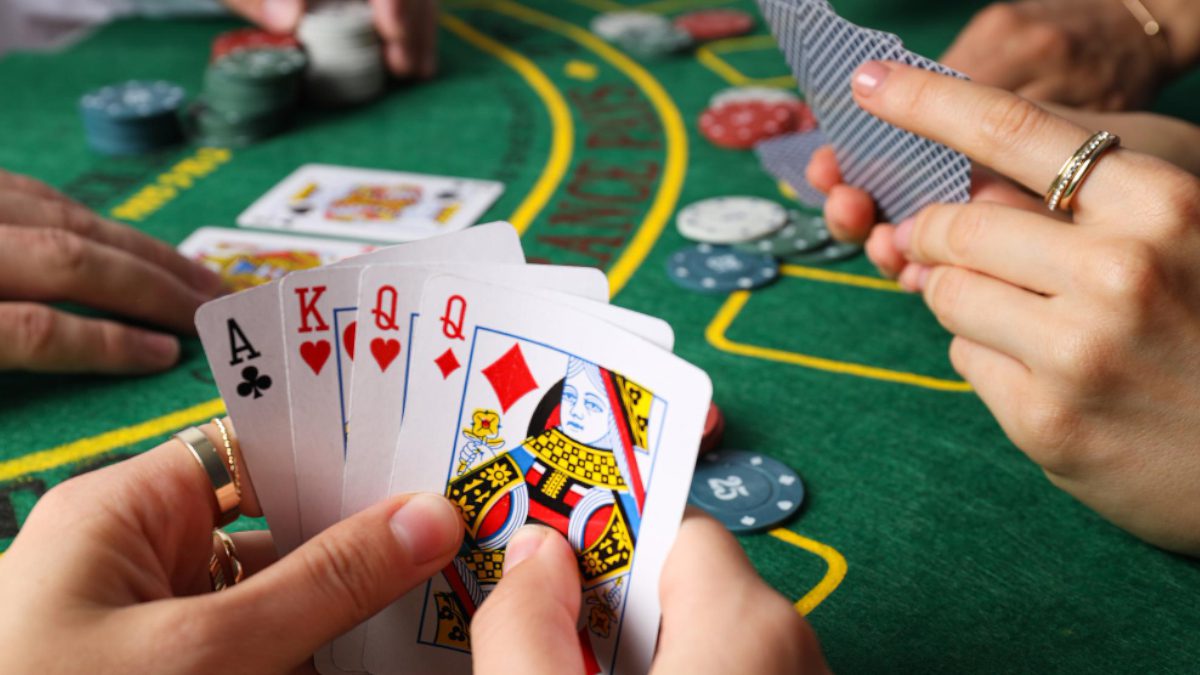
Gambling often begins as entertainment. A few sports bets during a game, a visit to a casino with friends, or trying an online slot game may seem harmless at first. For many people, gambling remains occasional fun. For others, the experience slowly shifts into a habit that becomes harder to control.
How does gambling addiction start? It usually develops gradually. Psychological triggers, emotional stress, and repeated exposure can all influence how recreational betting turns into a serious concern. Below are several ways gambling behavior can progress over time.
At the Council on Compulsive Gambling of New Jersey (CCGNJ), individuals and families can find confidential support and access gambling disorder help in New Jersey when gambling habits begin to feel difficult to control.
Casual Gambling and Early Exposure
Most people who develop gambling problems begin with casual betting. This may happen during social gatherings, vacations, or sporting events. The activity feels exciting and harmless in the beginning.
Common starting points include:
- Sports betting with friends
- Playing slot machines or table games
- Buying lottery tickets regularly
- Trying online casino games
At this stage, the stakes are usually small and the activity happens occasionally. Because gambling is widely accepted as entertainment, people rarely view these early experiences as risky.
However, repeated exposure can slowly build habits. When gambling becomes a regular pastime, the behavior can begin to shift from occasional recreation into something more frequent.
The Impact of Early Wins
Early wins can play a powerful role in shaping gambling behavior. Winning money during the first few experiences often creates excitement and a strong sense of reward.
The brain releases dopamine during these moments. This chemical is tied to pleasure, motivation, and learning. When someone wins while gambling, the brain starts linking the activity with positive feelings.
Even if future bets lead to losses, those early memories of winning can remain very influential. A person may keep returning to gambling with the belief that another big win is coming soon. Over time, this cycle of anticipation and reward can strengthen the habit.
Chasing Losses
As gambling continues, losses eventually occur. While some people step away after losing money, others attempt to win the money back. This behavior is known as chasing losses. A gambler may believe that another bet will recover what was lost. Thoughts like these often appear:
- “I was close to winning last time.”
- “My luck will change soon.”
- “Just one more round.”
Chasing losses can lead to larger bets and more frequent gambling sessions. The focus shifts from entertainment to recovering money. This stage is often where gambling issues begin to appear more clearly. Financial strain, stress, and secrecy may start affecting everyday life.
Emotional and Psychological Triggers
Gambling addiction is rarely only about money. Emotional factors frequently play a large role in the development of problem gambling. People sometimes turn to gambling to cope with uncomfortable emotions. Stress from work, relationship problems, or financial pressure can push someone toward activities that provide distraction or excitement.
Common emotional triggers include:
- Stress or anxiety
- Loneliness or boredom
- Depression or frustration
- The desire for excitement
Gambling offers a temporary escape from these feelings. The activity creates stimulation and anticipation, which can provide short-term relief. When someone begins relying on gambling as a way to handle emotional distress, the behavior can grow more frequent and harder to stop.
Increased Access Through Technology
Online platforms and mobile apps allow betting at almost any time. This level of convenience means gambling can happen more frequently than in the past. A person no longer needs to visit a casino or racetrack. Sports betting, online poker, and digital slot games are available instantly.
Several features can increase engagement:
- Fast betting cycles
- Constant promotions and bonuses
- Bright visuals and sound effects
- Immediate results after placing bets
When gambling becomes part of daily routines, the risk of developing unhealthy habits can grow quickly.
Warning Signs of Developing Gambling Problems
Recognizing early warning signs can help people address gambling behavior before it becomes overwhelming. Some patterns often linked with developing gambling problems include:
- Spending more money or time gambling than planned
- Hiding gambling activity from family or friends
- Feeling restless or irritable when trying to stop
- Borrowing money to continue gambling
- Thinking about gambling throughout the day
These behaviors can gradually affect finances, relationships, and emotional well-being. Many people experiencing problem gambling feel embarrassed or isolated, preventing them from talking about their situation or asking for help.
Support and Treatment Options
Gambling addiction is a recognized behavioral health condition, and many forms of support exist for people experiencing gambling-related harm.
Professional support may include:
- Counseling with addiction specialists
- Group therapy programs
- Financial recovery guidance
- Structured treatment programs
Some individuals benefit from inpatient or outpatient care through gambling treatment centers that focus on behavioral addiction recovery. Support groups and counseling services can also help individuals rebuild healthy habits and regain stability in their daily lives.
Family members and loved ones may also find guidance through educational programs and counseling resources.
Reach Out for Confidential Problem Gambling Support in New Jersey
If gambling has started affecting your finances, relationships, or daily life, support is available. The Council on Compulsive Gambling of New Jersey (CCGNJ) provides free and confidential help for individuals and families dealing with problem gambling. The 1-800-GAMBLER helpline is available 24 hours a day, connecting callers with trained specialists who offer guidance and referrals to counseling, recovery programs, and treatment services.
We also offer online resources and self-assessment tools that help people better understand their gambling behavior and find support options that fit their situation. Reach out now, and take the first step toward recovery.